Herbal baths are an ancient practice. The Greeks prescribed aromatic baths for various disorders and injuries. Medicinal baths are also mentioned frequently in Irish mythology. Diancecht and his children Miach, Airmid, and Octruil, were regarded as the deities who presided over healing. They are given credit for turning the tide in one battle due to their ability to make “a bath of healing, with every sort of healing plant or herb in it.”
Cormac’s glossaries mention the fact that forthrucud (medicinal baths) were used to treat leprosy. Herbal baths are mentioned for curing wounds and emotional imbalances. Conchobhar’s physician Fingen was said to have mended his wounds by making up a bath of herbs and marrow. Cuchulainn was cured of his fits of feverish rage by bathing in Ius Cuchulainn (meadowsweet).
While I don’t suggest bathing in marrow, bathing is a good method of delivering herbal constituents. The heat from the bath helps the constituents absorb through the skin. This is called transdermal delivery and I think it is particularly useful in cases where digestion may be impaired.
Very few people know how to properly prepare an herbal bath, though. You see all the Instaherbalists taking their artsy pictures of flowers floating around their prettily manicured toes. It makes for a good picture. The tub is a nightmare to clean and loose herbal material ends up going down the drain and potentially clogging up the pipes.
It’s also not the optimal way to access the constituents. Plant material must be immersed in boiling water to break down cell walls and release their constituents. Your average bath water is just not hot enough to do the job effectively.
Some people turn to essential oils to address this, but I am not a fan of that approach. Essential oils are unsustainable, expensive, and do not represent the full range of constituents present in some plants which limits their potential benefits. Many plants that do not have aromatic qualities have beneficial properties and should be considered when blending bath teas. Heather and oats are two examples that come to mind. Here are a couple of blends you might try.
Relaxing Tub Tea
1 pt Epsom Salts
1 pt oats (yes the actual oat flake or seed not oatstraw)
1 pt heather or lavender flowers
1 pt hops strobiles
1 part rose flowers
Anti-inflammatory Tub Tea Blend
2 pt sweet Annie or wormwood
1 pt mugwort
1 pt yarrow flowers/leaves
1 pt feverfew flowers/leaves
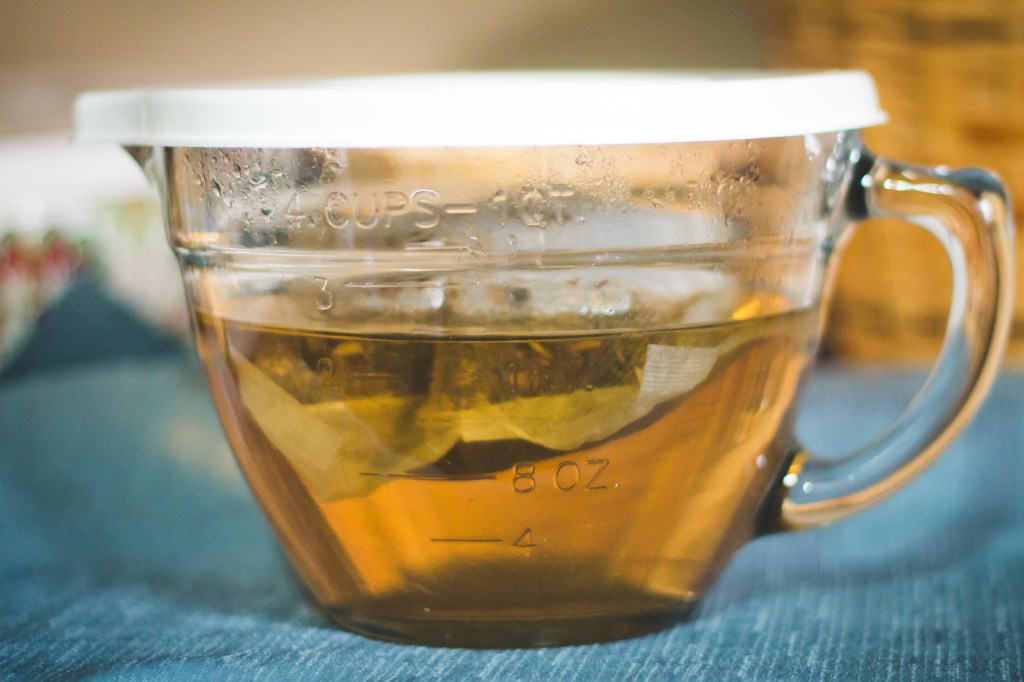
To get the most out of your tub tea blend, pour boiling water over them and let them steep in a covered container, for a good long time. Alternatively you can make a strong decoction and strain it into the tub. When it is time for a bath, pour the contents of your container into the tub. Using this method to make an herbal bath, should increase the benefits of whatever herb blend you are using.
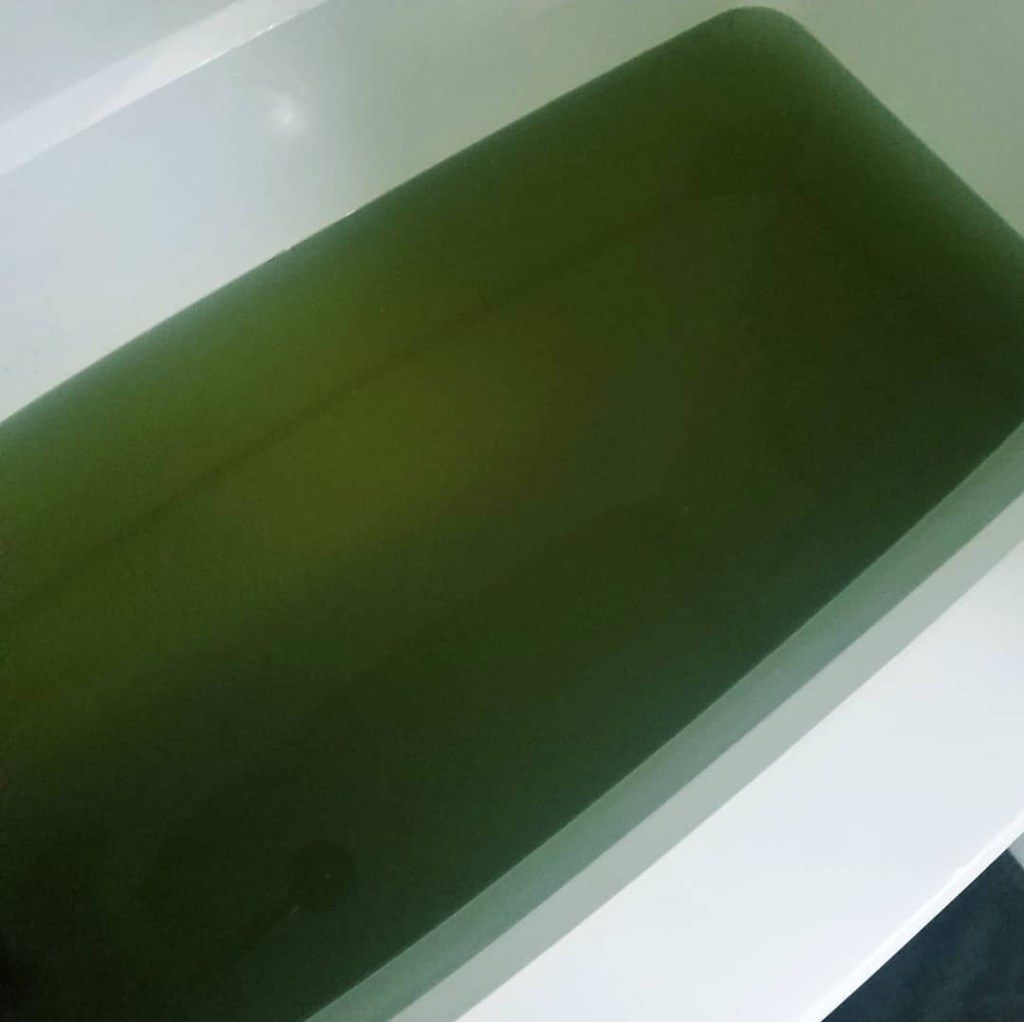
Regardless of which method you use, the water in the tub should take on the color of the herbs.
 Domestic Medicine
You must be logged in to post a comment.