
So this is one of the posts I am reviving off the old blog per request. I could make a case for this being a historical preparation. Medicinal pastes such as Hildegard’s nutmeg paste were quite commonly dried and sometimes used as an ingredient in medicinal preparations. The spice blends apothecaries sold for making electuaries were powdered fine and sold dry, but they were mostly starting with dried ingredients, and this is a method for working with fresh ingredients.
It is not an appropriate method for working with aromatic plants. I tried it and found you lose your lovely volatiles during the cooking process. It works well with green leafy vegetables and herbs, berries, and some vegetables.
The first time I tried making a powder with fresh herbs I tried nettles. I was looking for a tolerable way to choke them down. This still doesn’t work for me. I really hate nettle tea; however, I recognize the usefulness of the process. I will give you some more useful ideas for using these powders after I share the method. After a lot of experimentation and after having a chance to pick Thomas Easley’s brain about the process he uses, I landed on the following process:
Instant Plant Powder
Ingredients
6 cups water
2 cups fresh plant material -chopped
2 tbsp arrowroot powder or cornstarch
Directions
- Place the finely chopped fresh herbs in a blender with the water and puree them. I usually triple this recipe.
If you are working with fresh greens, be sure to blanch your greens the way you would before freezing them and measure them after you have blanched them. Do not use the water they were cooked in for making your powder, discard it and use fresh. This is important because it reduces the concentration of oxalates in your powder. - Place the mixture in a saucepan and simmer over medium-low heat until the liquid has been reduced by one-half. If you want to hurry this along you can strain the mixture through butter muslin.
- At this point, dissolve two tablespoons of arrowroot powder in 3 tbsp cold water and blend it in. This step is optional but thickens the slurry a bit to keep it from running off the dehydrator’s fruit leather tray or sticking to it. Other people will stir a lot of some sort of inert starch powder such as arrowroot, cornstarch, or tapioca flour, in to thicken the slurry, but I prefer using as little incipient as possible.
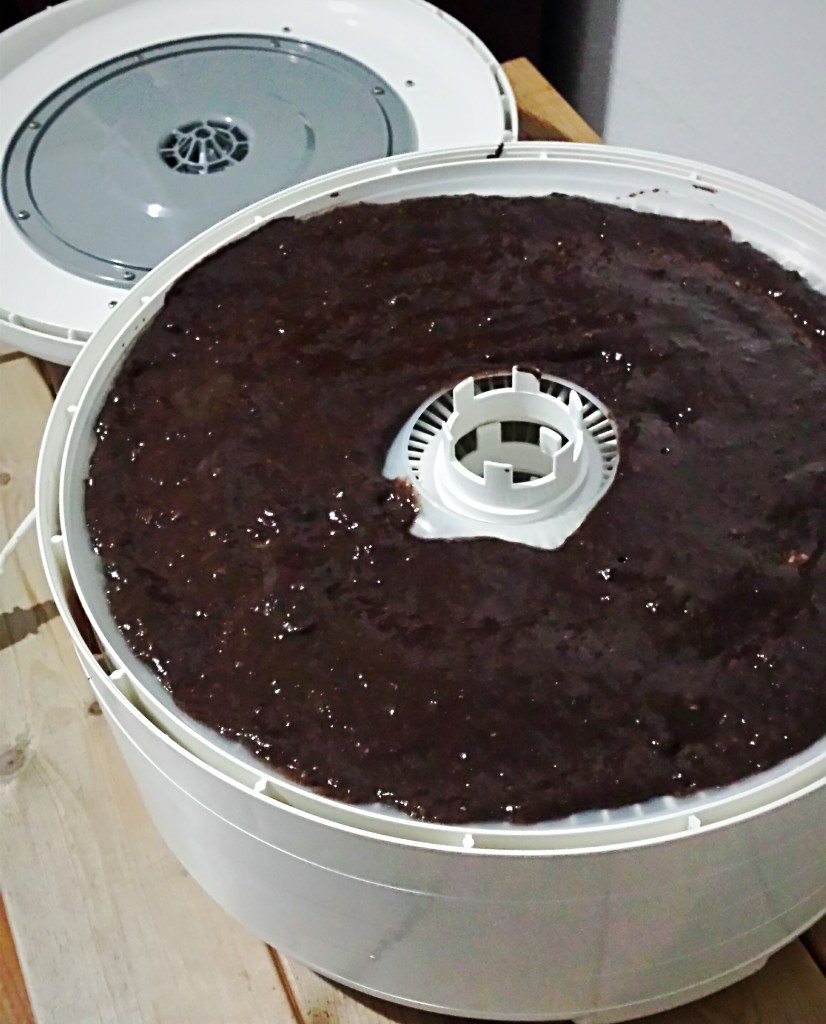
- Spread this on your fruit leather tray and dehydrate the mixture 100ºF to 120ºF until the mixture becomes brittle and then break it into pieces and grind them into a fine powder.
- Sift the powder. If you don’t grind the leather, you can suck on it like hard candy.
- It can be stored in airtight containers for a long time. To prepare a cup of tea mix 1-2 teaspoon powder per cup of hot water.
How to Use These Powders
Powdered Greens I made a kale/spinach powder to add to smoothies. This is the best use of this method because you have control over how your greens are processed. If you grind organic brown rice and split peas into a powder and mix in these green powders, you have approximated the protein + green powders on the market at a fraction of the cost.
Powdered Tomatoes – The best thing about powdered tomatoes is that they can be rehydrated into tomato sauce, but you can also add the powder to soups or stews.
Powdered Berries – This is an excellent way to store berry powders which again can be used for smoothies. As someone who doesn’t like really intense sweetness I find powdered berries far more useful as sweeteners. I use blackberry powder instead of sugar for sweetening tea which gives you that nice anthocyanin bump as well.
Instant Decoctions – You can continue to simmer down any decoction that you might be making and dry it this way. To use it you just add 1-2 teaspoons to a cup of hot water. The picture in the header is a hibiscus-blackberry decoction that I drink when I have a cold coming on.
.
 Domestic Medicine
You must be logged in to post a comment.