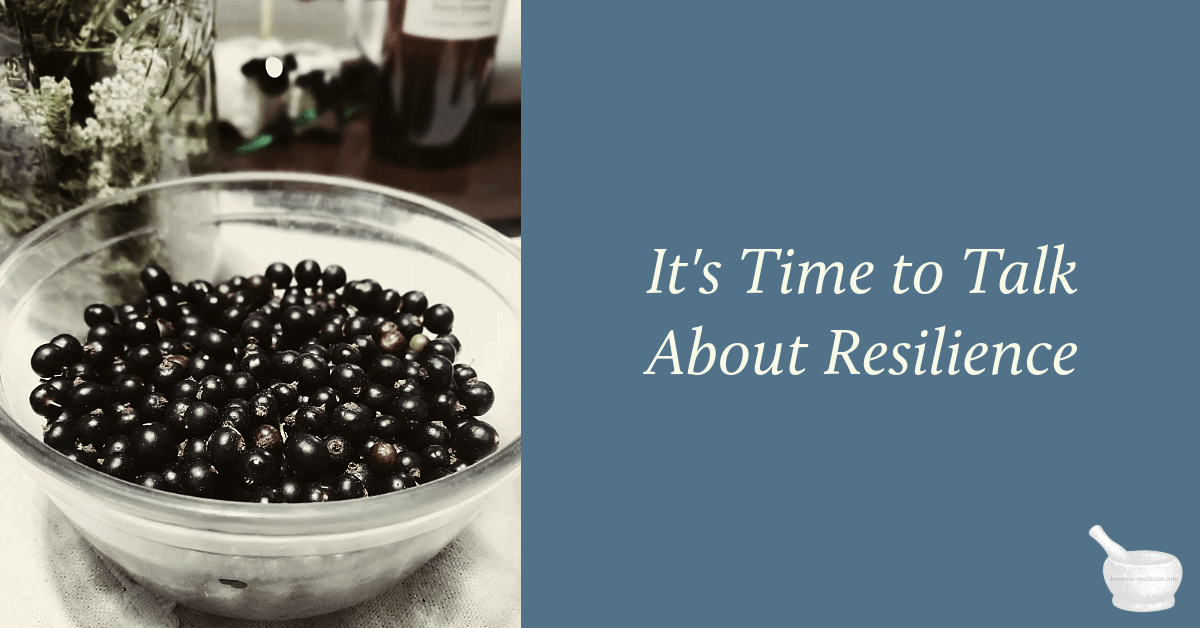
There’s a lot of really concerning nonsense happening in the US right now and I’ve been feeling kind of pigeon-holed lately trying to decide if various subjects I think we should be talking about “fit” the historical theme of my blog, or the purpose I stated when I wrote this blog post.
That post was very medically oriented because medical history was the focus of my thesis. In retrospect, I wish I had expanded the topic of my thesis to examine domesticity more holistically, but of course academia forces one to narrow the topic and specialize.
Hundreds of household manuals were written in the early modern era. Some were written for those aspiring to get a good job as a domestic worker. Some were written for those who were expected to manage their household staff. Mostly they were written with an audience of the wealthy elite in mind, so the cost of ingredients was not a concern. Even books written for “the poorer” sort of people were not written for the truly poor.
We have really sketchy information about how the truly poor survived prior to the 19th century, although I have some ideas. My Irish ancestors knew a bit about that. That’s the kind of resilience I want to talk about. I want to talk about surviving poverty and hardship while still having enough joy in our souls to make music and dance – maybe without drinking ourselves to death this time.
19th Century Resilience
I found some decent sources on the 1800s quite by accident. Up until now I have avoided a deep dive into the 19th century, but as a docent of a home built in 1844, I felt obligated to do some catching up. This also accounts for my lack of posting here on the blog.
A lot was going on in this era. The middle class was emerging because fortunes were being made and fortunes were being lost. Women of this newly emerging middle class were being forced into their roles as subsistence workers.1 Household management books were full of tales of woe about families who went bankrupt living beyond their means, and lazy young women who ended up in the alms house because they couldn’t cook.
Books were written towards people of “moderate fortune” who couldn’t afford to hire domestic workers. Readers were counseled to live in a way that prevented them from falling into poverty but also enabled them to be ready survive if it happened.
When poverty comes (as it sometimes will) upon the prudent, the industrious, and the well-informed, a judicious education is all-powerful in enabling them to endure the evils it cannot always prevent.
Lydia Marie Child, The American Frugal Housewife 1833
Pamphlets were also published that were geared towards the truly poor such as this one distributed to the immigrant population in New York.
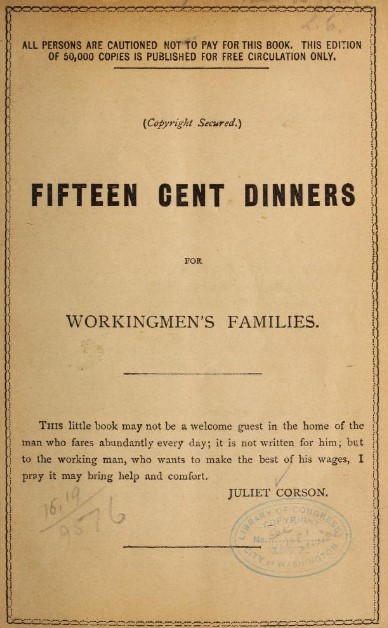
I think these women were handing out some sensible advice for people of any era if we ignore their take on gender. Mrs. Child’s ideal education in grounded in domestic economics. The core premise of domestic economics is cultivating personal and household resilience which sounds a lot like our modern term sustainability. Domestic economics includes:
- Learning sensible financial management.
- Learning to sew and repair household items.
- Learning to garden and then preserve and cook food from that garden
- Learning to bake from scratch– with and without chemical leavening agents.
- Learning to make home remedies for the acutely ill.
- Learning to care for the ill in long-term scenarios.
That last part bears some explanation. Caring for the ill was an onorous duty in the time of wasting diseases like tuberculosis that sometimes took years to kill and bacterial diseases that left people with long-term debilitating illnesses. Nursing homes had yet to be invented and few families were willing to send their elders to the alms houses, so many people were engaged in the long term care of failing individuals.
This is something most modern2 people hadn’t really had to deal with until long-covid reared it’s ugly head and physician’s have been very little help with that. It’s one of my areas of expertise and I really want to share that information with you, because I see a day coming when a lot of our social safety nets are going to weaken or disappear entirely.
During my time trying to organize a mutual aid group here locally, I became very much aware that most people in my area are not equipped with this kind of knowledge. It’s time to get prepared to handle an economic downturn or any other nonsense that gets thrown at us.
I am also going to talk straight to you because I am not trying to market products I make at you, although I am eventually going to have to figure out a way to make this sustainable for me. A lot of modern herbalists market herbalism at you as the “medicine of the people” but really modern herbalism does not foster resilience, for a lot of reasons.
- Depending on the nutraceutical industry for dried herbs and supplements is not developing your household resilience. Depending on herbalists for preparations isn’t either, unless you have a nice bartering arrangement with your local herbal medicine maker.
- Incorporating plants that do not grow where you live into your daily regimen (food or medicine) does not increase your household resilience. You do not need to grow all the things. I promise you can find something that thrives in your ecosystem.
- Foraging does not improve household resilience – especially here in Iowa. Glyphosate is everywhere and we have some of the worst water quality in the world. In light of the Chevron decision, we can assume that industry and corporate farmers have the green light to keep on polluting. Practically speaking though you don’t want to depend on foraging any further away from your home than you can comfortably walk and carry a load home.
- Making tinctures with booze, although convenient, does not increase your household resilience. Unless you happen to be one of the people who knows how to grow the barley, malt the barley, turn the malt into a mash, and then distill that mash into hard liquor, you need to learn different medicine making techniques.
- Dependence on honey for making medicine does not increase your household resilience unless you keep bees or have one of the aforementioned agreements with a beek. People would be better served learning how to make barley malt syrup (so easy) or beet sugar.
- There are things that you can do to foster emotional resilience even when you are in a really shitty situation that don’t involve the positivity nonsense.
I have a lot to say about alternatives that are grounded in actual historic precedent, but I don’t want to limit myself only talking about medicine. Frankly I have a lot of the sort of knowledge that makes one resilient. That happens when you grow up in a dilapidated farmhouse with a woodstove as your only heat and lived a lot of your adult life under the poverty line. I survived it once and I will survive it again and I am inviting you to learn how to survive it, too.
Further Reading
Child, Lydia Maria Francis, and Samuel S. & William Wood. The American Frugal Housewife. New York : Samuel S. & William Wood, 1838.
Corson, Juliet. The Cooking Manual of Practical Directions for Economical Every-Day Cookery. New York, Dodd, Mead & co, 1877.
- Subsistence workers are workers who hold a “self-employment” job and in this capacity produce goods or services which are predominantly consumed by their own household and constitute an important basis for its livelihood. ↩︎
- Had to change this to most because my mom pointed out that she cared for both of my grandmothers in her home until they passed. ↩︎
 Domestic Medicine
You must be logged in to post a comment.