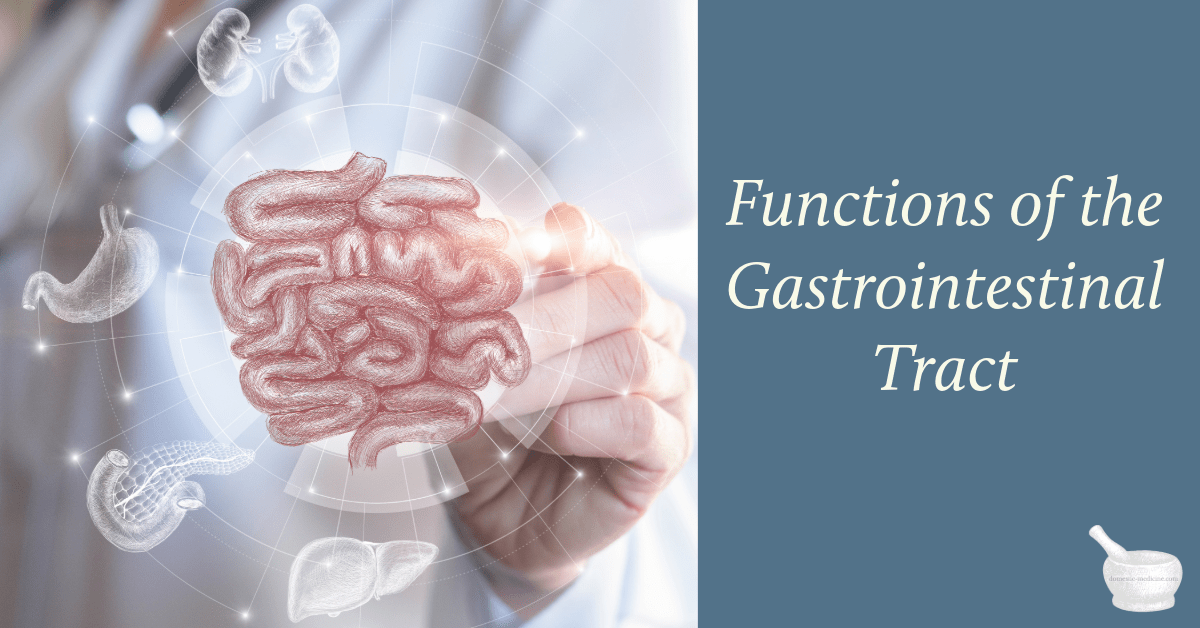
We have covered the anatomy of the gastrointestinal (GI) tract and now we are going to cover the functions it serves, which are critical to maintaining overall health and wellness. When caring for the ill and convalescing, particular attention must be paid to your GI system because it directly impacts how quickly you heal. I touched on this briefly when discussing early modern lifestyle advice.
The four functions we will briefly cover in this post include digestion, assimilation, elimination, and immune defense. Digestion breaks down food into smaller molecules, which are then absorbed through the intestinal walls into the bloodstream during assimilation. The elimination process is equally important, as it removes waste products from the body and prevents toxins from building up. A healthy GI tract also contributes to preventing the onset of infections and diseases, as a significant portion of the body’s immune response occurs in the gut.
The digestive process begins in the mouth with chewing, also known as mastication, where food is broken down by the teeth and moved along through muscular movements in the throat. Once mixed with and swallowed food is referred to as tha bolus. This bolus is then propelled through the esp[jagias by rhythmic muscular contractions known as peristalsis.
Peristalsis is modulated by the enteric nervous system, a sophisticated network of neurons that governs the intricate processes of digestion independently of the central nervous system. Because the enteric nervous system closely links digestion to our stress responses, stress can significantly disrupt peristalsis, leading to various digestion and elimination issues that can manifest as discomfort or gastrointestinal disorders.
Once the bolus reaches the stomach, the muscular walls churn the bolus to combine it with gastric juices and additional digestive enzymes, forming what is now called chyme. This mechanical transformation of bolus into chyme is vital to the digestive process as breaks down the food into a semi-liquid form for the next stage of digestion.
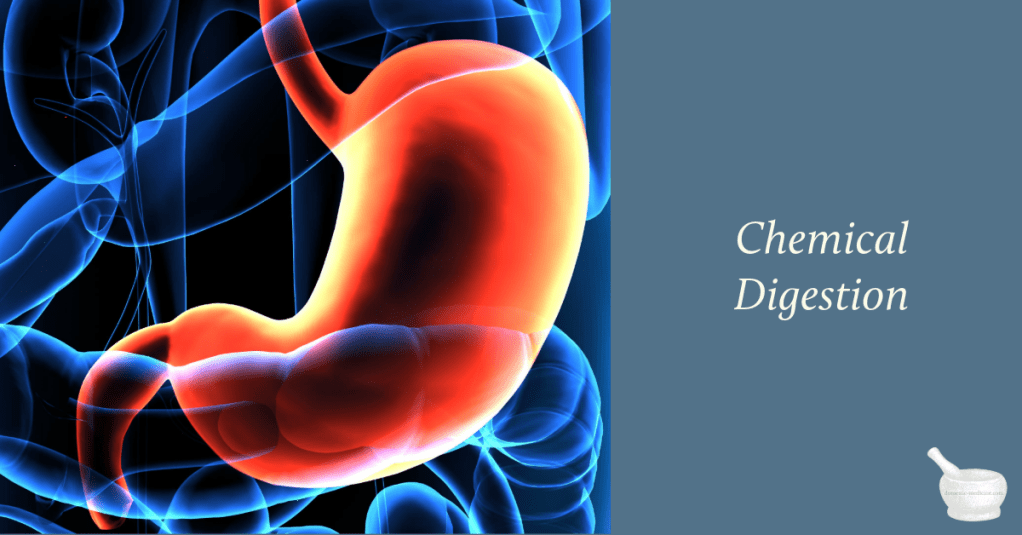
Throughout the digestive process, enzymes and digestive juices are released which catalyse the breakdown of food for nutrient absorption. Chemical digestion begins in the mouth, where enzymes secreted by mucosal tissue start breaking down food into particles usable by the body. Saliva contains several enzymes including amylase, which initiates the breakdown of complex carbohydrates, or polysaccharides, into simpler sugars, and lingual lipase, which breaks down fats to help us taste them.
Additionally, as taste buds detect flavors, they send signals to the brain that trigger physiological responses—such as increased saliva production and the release of hormones and digestive enzymes—that prepare the stomach and intestines to efficiently process and absorb the incoming food.
When food enters the stomach, the hormone gastrin stimulates the release of highly acidic gastric juices, enzymes, intrinsic factor (to protect vitamin B12), mucus, and water to lubricate the chyme and protect the stomach lining.
- Hydrochloric Acid (HCl): Lowers pH which in turn activate enzymes.
- Pepsinogen: Converted by HCl into pepsin to digest proteins.
- Rennin: Aids in protein digestion, particularly in early life.
Historically you will see a great deal of attention paid to the heat of digestion. It had various names in traditional medical systems. Greek medicine uses the term ignis while in Ayurveda it is called agni. Warming spices were added to foods in order to promote digestive heat while cooling preparations like bitters were used when a practitioner thought too much heat was present. If we think of heat in terms of all this chemical activity, this makes a little bit of sense.
The partially digested chyme enters the first section of the small intestine, the duodenum, in spurts, which triggers the release of additional digestive hormones, including:
- Secretin: Signals the pancreas to release sodium bicarbonate to neutralize stomach acid and prompts the liver to secrete bile.
- Cholecystokinin (CCK): Stimulates the release of bile from the liver and gallbladder, along with pancreatic enzymes, to aid in fat emulsification and absorption.
- Gastric Inhibitory Peptide (GIP): Slows gastric acid secretion and stomach movement, and stimulates insulin release to help control blood sugar levels after meals.
- Glucagon-like peptide-1 (GLP-1) Slows gastric emptying to increase satiety, helps regulate appetite, and enhances insulin secretion for better blood sugar control.

The small intestine is the primary site of nutrient absorption. Its surface is uniquely adapted to maximize this process, featuring villi and microvilli that significantly increase the absorptive area. Most macronutrients, vitamins, and minerals are absorbed here via a combination of active and passive transport mechanisms. For instance, amino acids and glucose are absorbed through active transport, while fats are taken up via micelles and transported into the lymphatic system as chylomicrons.
The ileum, the final segment of the small intestine, has specialized roles, including the absorption of Vitamin B12 and bile acids. Vitamin B12 absorption depends on intrinsic factor, a protein produced by the stomach. Disruption in intrinsic factor production or ileal function can lead to deficiencies such as pernicious anemia.
The large intestines’s role assimilation is primarily the reabsorption of water and electrolytes. Bacteria present in the large intestine do produce Vitamin K which is then absorbed, as well. Colonocytes are one type of epithelial cells lining the colon which are colonized by bacteria that ferments certain types of fibers. As mentioned in the anatomy post this fermentation increases colony size and produces short-chain fatty acids (SCFA) that serve as energy sources for cellular metabolism in the body.

Elimination occurs when the colon receives the fibrous material which cannot be broken down. It moves it along and is expelled through the anus by the action of voluntary and involuntary muscles. This is an autonomic nervous system function and consequently subject to inhibition by the nervous system. When we are in fight, flight, or freeze, we cannot eliminate.
Early medical practitioners recognized the importance of regular elimination for overall health. Many recommended recommending dietary adjustments and herbal preparations that promote regularity which we will get into in other posts. Here are some practical considerations for supporting elimination.
- Take a Daily Constitutional: This phrase originally meant to go for a walk, however today in the UK it might also refer to your daily bowel movement. This is because, regular exercise stimulates intestinal motility, which in turn aids elimination.
- Fiber: A diet rich in soluble and insoluble fibers (e.g., fruits, vegetables, whole grains) supports regular bowel movements by increasing stool bulk and improving peristalsis. In the past,
- Hydration: Adequate water intake prevents stool from becoming hard and difficult to pass.
- Stress Management: Techniques such as breathwork and somatic exercise can reduce sympathetic nervous system dominance, promoting healthy elimination.

The lumen of the GI tract is particularly vulnerable to environmental assault by disease causing pathogens and toxins. The lymphoid tissue present in the walls of the throat (tonsils and adenoids) and small intestines (GALT) produce massive amounts of immune cells to protect the body against pathogens and foreign particles. The immune cells produced in the gut include:
- IgA-secreting plasma cells, which are specialized to produce secretory IgA (sIgA) antibodies. These antibodies play a critical role in neutralizing pathogens and preventing their adherence to the intestinal mucosa.
- Memory B cells for long-term immunity against specific pathogens.
- T Cells
- Regulatory T Cells (Tregs): These cells help maintain immune tolerance to commensal bacteria and dietary antigens, preventing unnecessary inflammation.
- Effector T Cells (e.g., Th17 cells): These cells protect against bacterial and fungal infections at mucosal surfaces.
- Cytotoxic T Cells (CD8+ T Cells): These cells are involved in directly killing infected or abnormal cells.
- Helper T Cells (CD4+ T Cells): These cells assist in orchestrating immune responses by activating B cells and other immune cells.
- Innate Lymphoid Cells (ILCs) help maintain intestinal barrier integrity and produce cytokines like IL-22 to combat pathogens.
- Dendritic Cells in the GALT sample antigens from the gut lumen and present them to T cells to initiate immune responses or promote tolerance.
- Macrophages engulf and digest pathogens and apoptotic cells, contributing to mucosal immunity.
- Mast cells in the GALT are involved in the immune response to parasitic infections and play a role in allergic reactions.
- Natural Killer (NK) Cells in the GALT can destroy infected or abnormal cells and contribute to early defense against viral infections.
- Peyer’s Patch-Associated Cells
- Follicular Dendritic Cells: In the lymphoid follicles of Peyer’s patches, these cells aid in antigen presentation to B cells.
- M Cells (Microfold Cells): While not immune cells per se, these specialized epithelial cells transport antigens from the gut lumen to the underlying immune cells in GALT.
I don’t think it’s necessary for you to remember all of this, but in exploring the mechanical, chemical, and immune functions of the gastrointestinal tract, we’ve seen how its proper care is critical to health and recovery.
When intestinal epithelial tissue becomes compromised, it is referred to as intestinal permeability. Increased intestinal permeability leads to undigested food particles escaping into the bloodstream before they are fully broken down. Any protein chain longer than three amino acids is immediately targeted by white blood cells, prompting the formation of antibodies against the foreign particle. This reaction is the underlying cause of food sensitivities and autoimmune diseases.
In the next posts, we will delve deeper into historical remedies and their cultural contexts—how ancient and early modern medicine viewed digestion and elimination, and will uncover the crucial interplay between food, medicine, and healing in historical traditions.
 Domestic Medicine
You must be logged in to post a comment.